What’s happening on the day
Come along to our Check for Changes event at Feldy for a women-only gathering where we can talk about breast health, share experiences and ask questions in a friendly, welcoming space.
Dr Kathryn Hawkesford, a breast cancer consultant at Barts, will take us through a presentation from Breast Cancer Now, sharing some key facts and advice about breast changes we need to be aware of. We’ll also hear one woman’s personal experience of breast cancer, from first noticing an unusual change to going through diagnosis and treatment.
There’ll be time to ask Dr Kathryn anything you’d like to know during a Q&A session.
We’ll introduce our Pinky Pledge, a simple monthly reminder to check for changes, and there’ll be refreshments, good company and a fun creative activity, too.
Whether you want to learn something new, have something you’d like to ask or simply fancy coming along, women of all ages are welcome to take part.
Get to know what's normal for you
Breasts come in all shapes and sizes, and what’s normal for one person might be different from someone else. Your breasts can also change over time, including during your menstrual cycle, pregnancy and menopause.
Getting to know how your breasts usually look and feel makes it easier to notice when something changes. There’s no special technique to learn or right way to do it. You can check while getting dressed, having a shower or whenever works for you.
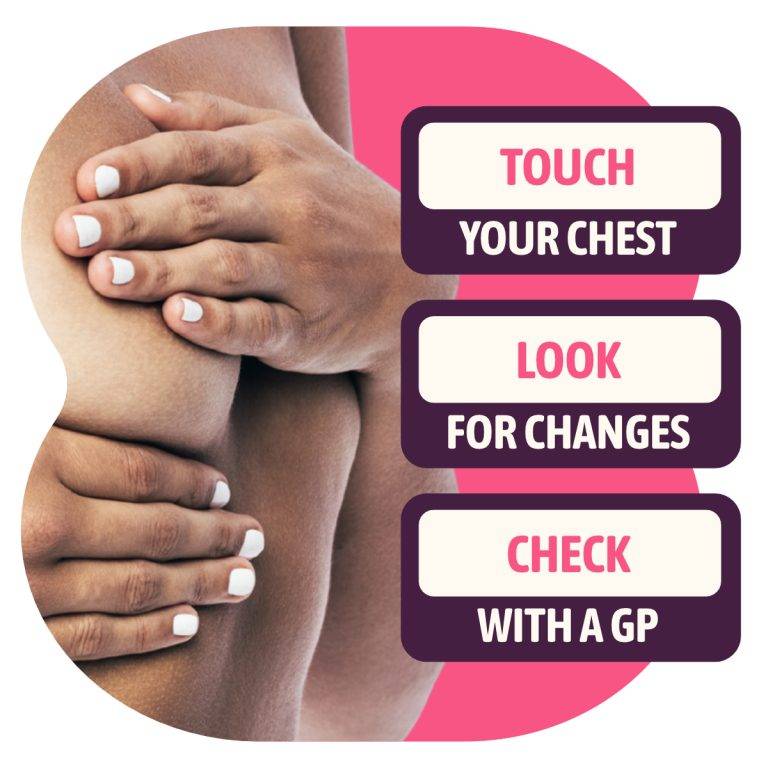
Breast Cancer Now‘s simple Touch, Look, Check approach can help you know what to look and feel for.
Breast Cancer Now - Checking your breastsWhat changes should I look out for?
As we said, everyone’s breasts are different, so the important thing is to notice anything that’s new or unusual for you.
- A lump or swelling in the breast, upper chest or armpit
- A change to the skin, such as puckering or dimpling
- The breast may look darker, red or inflamed
- A nipple change, for example it has become pulled in (inverted)
- Rash or crusting around the nipple
- Fluid (discharge) from either nipple
- Changes in size or shape of the breast
Breast pain is common and, on its own, isn’t usually a sign of breast cancer. But if you have pain that doesn’t go away, or notice any other new or unusual change, it’s worth getting it checked.
Although it’s less common, it’s good to remember breast cancer can affect men too. A lump in the chest area is the most common sign to look out for.
Most breast changes aren’t cancer, but it’s important to get anything new or unusual checked. Contact your GP if you notice a change that’s unusual for you. You don’t need to wait for your next breast screening appointment.
Breast Cancer Now - What to look out for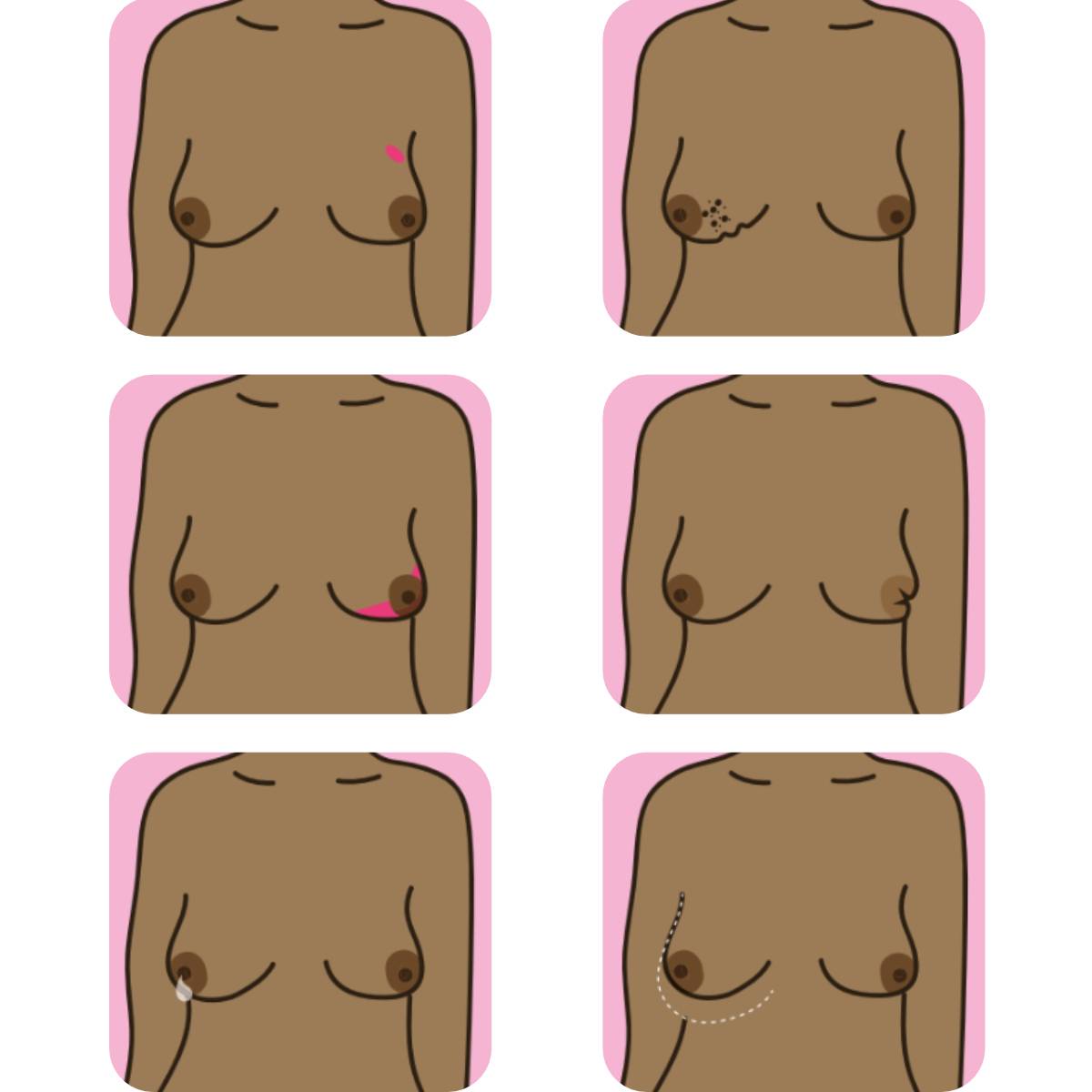
Make your Pinky Pledge
There are lots of reasons why checking your breasts regularly might not be something you think about. You might not realise how important it is, feel that breast cancer is something unlikely to happen to you, find it uncomfortable to think about, or simply have a lot of other things on your mind.
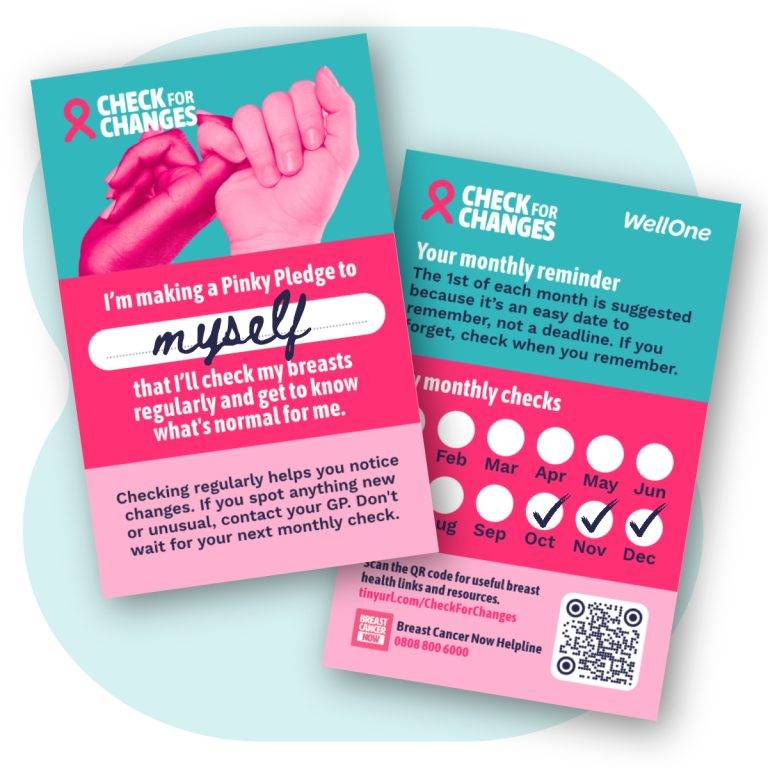
We created the Pinky Pledge to help make breast awareness a regular habit, with a simple reminder to check your breasts and get to know what’s normal for you. That way, you’ll be more likely to notice if something changes.
Your pledge can be for you, your family, your children, someone you love or any reason that matters to you. Think about what would motivate you to remember, and make that your reason for taking the pledge and making time to check regularly. It’s a small thing you can do to look after your health and give yourself the best chance of spotting a change early.
We’re suggesting checking on the first of each month because it’s easy to remember. If you have periods, you might find another time more comfortable, when your breasts are less tender. The important thing is to find a routine that works for you.
The Pinky Pledge is a reminder to help you build an important habit, not a rule that says you only need to check once a month.
If you notice a new or unusual change at any time, don’t wait for your next reminder. Contact your GP.
Find out more and get support
Visit Breast Cancer Now
Breast Cancer Now is a charity dedicated to breast cancer research and support. Its website has information about breast cancer, diagnosis and treatment, as well as practical and emotional support for anyone affected by breast cancer.Breast Cancer Now Helpline
Call : 0808 800 6000Monday to Friday, 9am–4pm; Saturday, 9am–1pm.
Talk to a breast care nurse if you have questions about breast health or breast cancer, need reliable information or would like someone to talk things through with. Calls are free, and interpreters are available in over 240 languages.
Local breast screening
Women aged 50 to 71 are invited for routine breast screening, which uses a mammogram (a breast X-ray) to look for signs of breast cancer that may not be noticeable to you.It's important to attend your screening invitation, even if you feel well. But if you notice a new or unusual change in your breasts at any time, contact your GP rather than waiting for your next screening appointment.
Read the NHS guidance
Find out more about how to check your breasts or chest and what to do if you notice a change.Barts Breast Cancer Centre
St Bartholomew's Hospital is home to a new specialist breast cancer centre for east London, bringing together different services to support people through diagnosis and treatment.With thanks
A big thank you to Breast Cancer Now for providing breast health training for the Well One team, sharing their valuable information and resources, and funding this event. Their work helps more people understand breast cancer and the importance of recognising changes early.
Thank you to Dr Kathryn Hawkesford and the NHS team at Barts for sharing their expertise and answering our questions, and to Kabung from Poplar and Limehouse Health and Wellbeing for helping to host the event.
We’re also grateful to Tower Hamlets Public Health and the Health Champions supporting the event and helping us spread the word about breast awareness in our community.

Please note: This information is provided for breast health awareness only and shouldn’t replace professional medical advice. If you notice any unusual changes, please contact your GP immediately. Do not delay seeking medical care.